
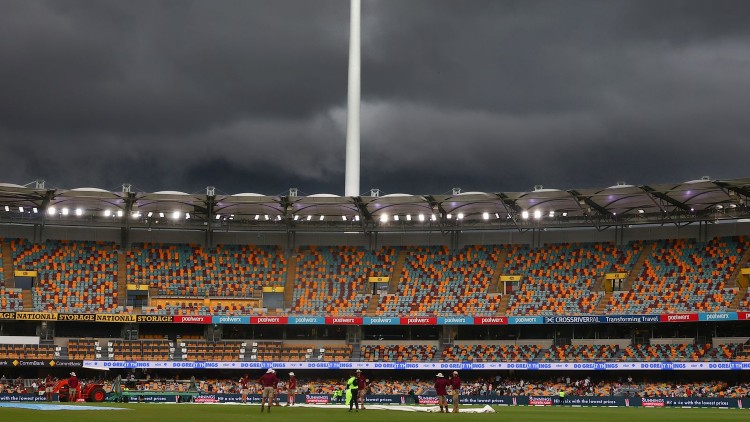
Gabba Stadium, located in Brisbane, Australia, is one of the best sports grounds in Australia. This stadium has witnessed countless matches, memorable performances and dramatic cricketing moments. Gabba is known to cricket lovers for its atmosphere and cricketing history. Without further ado, let’s know about the unknown facts about this historic ground.
More Than Just a Stadium: The Birth of a Sporting Landmark
The Gabba Stadium is better known as the Brisbane Cricket Ground. The history of the stadium dates back to the late 19th century. It is located in the suburb of Woolloongabba, Brisbane, and the stadium is named ‘Gabba’ after this suburb. Although the main identity of the stadium is cricket, it also hosts a variety of sports including rules football, rugby, cycling and athletics.
The ability to change with the times while maintaining its heritage has made the Gabba unique. The stadium has been transformed into a world-class sports venue through modern additions without changing its historical character
The Fortress Reputation That Intimidated Visiting Teams
The Gabba Stadium has a reputation as one of the toughest cricket grounds in the world for visiting teams. The ground has been the setting for many stories of Australia’s rise to fame. The home side have often described the environment as challenging. The pace-friendly pitch, combined with Brisbane’s harsh weather, creates an impenetrable environment. It has been said that winning a Test match here was a symbol of excellence for visiting teams.
When Records Became Legends
Brisbane Stadium, also known as the Gabba, has witnessed many cricketing feats. Centuries and devastating bouncy bowling spells have made this ground the stage for all the memorable performances. Legendary cricketers have left their innings and bowling spells here. The legendary Brett Lee’s dynamic bounce, Shane Warne‘s whirlwind and Ricky Ponting’s century are all witnesses to history and are still present today.
Even after many years, those feats are still talked about. The extra bounce of the pitch has always been a challenge for batting, but this fight with the ball has added excitement to the game. Many of Australia’s Test matches have been hosted here, which is significant for the reputation of this venue.
Hidden Stories Beyond the Scoreboard
Statistics tell a part of the story of the Gabba, but its story is much longer. Despite witnessing match victories, the stadium has witnessed weather disruptions, dramatic comebacks, and emotional farewells over the years, all of which have fascinated cricket fans at various times.
Another well-known aspect of the Gabba is its role in developing young players. Many of Australia’s star cricketers have built their careers here, achieving important successes. The Gabba is a heavenly place for budding cricketers to build their careers.
A Modern Arena with Historic Soul
The cricketing world is awed by the Gabba’s world-class facilities and cutting-edge technology. The Gabba also provides a superior experience to the spectators who come to watch the game at the stadium. Even today, this stadium has retained its unique reputation.
Cricket fans often talk about its heritage and innovation. From Test matches to domestic games, spectators can feel the depth of history at all sporting events. The Gabba continues to connect the past with the present.
Why The Gabba Continues to Fascinate Cricket Fans
There are very few venues in the world of cricket that have earned as much respect and admiration as the Gabba. When you look at the stadium’s global reputation, cricketing history, legendary matches, it seems like much more than a cricket ground. For cricket lovers, the Gabba Stadium is more of a symbol of tolerance than competition. The friendly matches held here add a new chapter to the cricketing tradition. Today, it is known as one of the best cricket venues for new players, hundreds of budding players have built their careers here. The Gabba is not a cricket ground but a living monument of history and emotion, whose imprint continues to this day.