
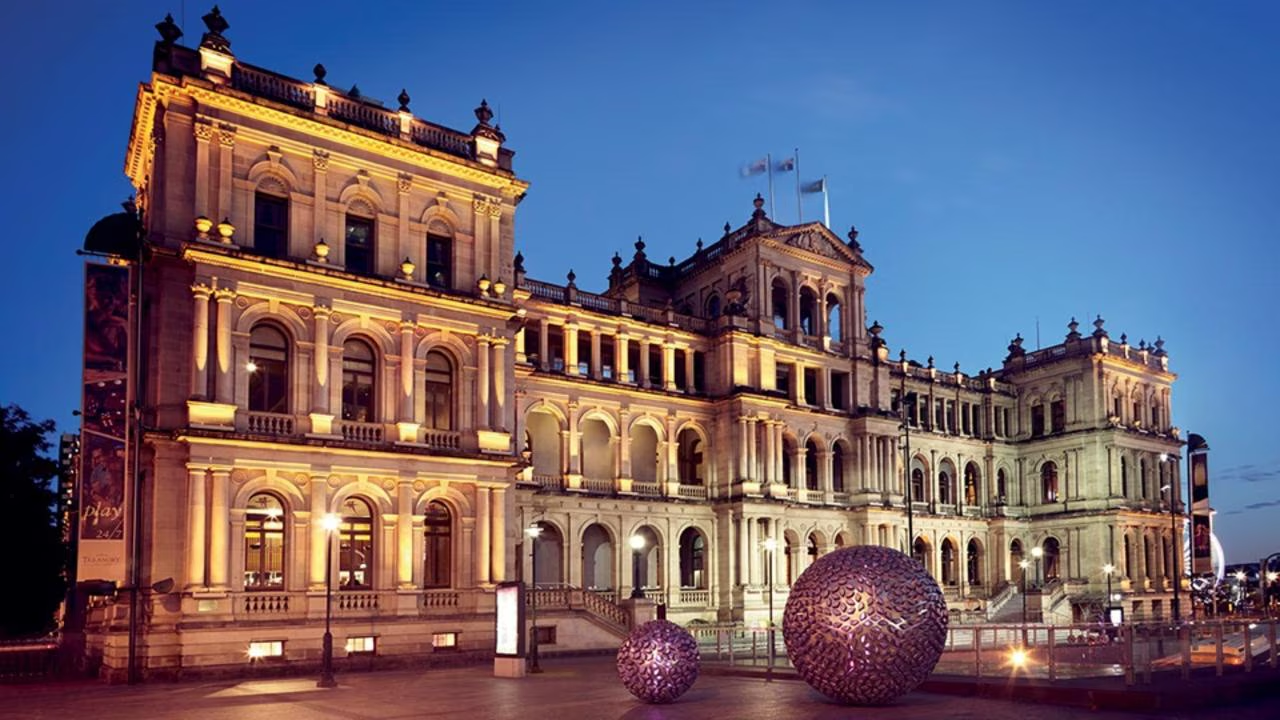
Every historical building has a story to tell, and the Treasury Building is no exception. Its architecture, historical significance, and heritage have attracted people from all over the world, including researchers and historians. While people admire its external beauty, very few know about its history and heritage. It can be said that the Treasury Building also has its hidden secrets that make it extraordinary.
More Than Stone and Steel: The Story Behind Its Creation
The Treasury Building is a large government building in Australia built in the 19th century. It is located at 21 Queen Street in Brisbane. Initially, the building was used for financial administration and government functions. Later, the building’s functions were not limited to its purpose. The grand entrance, the interior space, and even every element were designed to reflect the importance of the building. Due to its structure, the structure quickly became a prominent landmark as a symbol of economic and administrative power. Having witnessed many historical events, the Treasury Building has played an important role in shaping Brisbane’s administrative heritage
Hidden Details Most Visitors Walk Past
Initially, visitors are mesmerized by its external beauty, but its main attraction is hidden. The intricate carvings, decorative designs, and symbolic architecture throughout the building’s structure amaze both locals and tourists. Each design carries a different meaning. Some are symbols of good governance, some are symbols of justice, and some reflect the artistic qualities of the period of construction. Visitors are constantly learning about these details. The story and history behind the building are being revealed to everyone through its elements.
The Architectural Brilliance Behind the Landmark
The architecture is the most admired aspect of the Treasury Building. Built with a combination of functionality and aesthetics, this building continues to fascinate visitors even after many years of its construction.
The grand entrance, the magnificent pillars, the spacious hall are basically the hallmarks of architectural skill. How advanced the architecture of the past was, although not like the modern times, can be understood by looking at the natural light and ventilation system and the sustainable construction of this building. The Treasury Building is still appreciated by everyone for its beauty and functionality
Echoes of History Within Its Walls
Like every historic building, the Treasury Building has many untold stories. In the past, all the important decisions were made in the rooms of this building, financial policies were set, and official activities were carried out. These events have contributed to the development of the administrative structure. Visitors are fascinated by the thought that influential leaders and officials once walked the corridors of this building and from one room to another. The Treasury Building establishes a real-time connection with the past, as a result of which people can better understand the historical context of the nation. They also learn about how official work and the country were run in the past.
Why the Treasury Building Still Captivates Modern Visitors
Despite its modern development, the Treasury Building continues to attract attention due to its timeless design. Culture, history, and heritage have made it a place to visit. Visitors enjoy exploring the building as well as learning about its architectural history and heritage. Archaeologists and historians are constantly uncovering the stories hidden deep within its walls.
A Living Legacy Worth Discovering
It would be wrong to call the Treasury Building just an office building, it is more than that. This building is a symbol of history, tradition and craftsmanship. With the continuous discovery, the meaningful history hidden in every corner of the building is constantly being revealed to everyone.
Visiting the Treasury Building means knowing about history for visitors. Its history and tradition give us an idea of how administrative work was and how it was done in the past.